Issues and solutions

Tuberculosis (TB) is one of the world’s deadliest infectious diseases, but it's curable. Spread through the air, TB can cause devastating illness if not detected and treated early.

Across both rich and poor countries, it hits hardest in deprived and marginalised communities. Yet millions of people still face barriers to testing, treatment, and support — leaving them without the care they urgently need. TB Alert works to reach these “missing millions,” ensuring timely diagnosis, effective treatment, and hope for a healthier future.

A social model of health

Addressing TB effectively requires not only specialist medical knowledge and resources but also an understanding of the social and economic factors that underpin individual risk.

A social model of health considers broader determinants like culture, beliefs, income, housing access, and political and economic conditions to ensure people get the care they need.

TB and diabetes

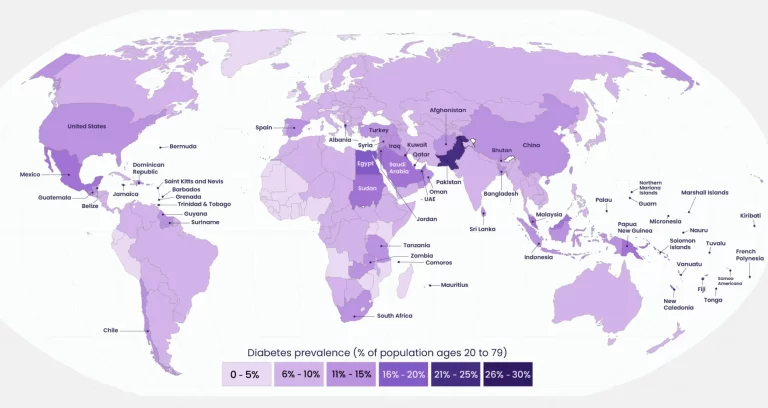
The global rise in diabetes is making the fight against TB even harder.

Diabetes weakens the immune system, leaving people more vulnerable to TB. Today, around 15% of all TB cases occur in people with diabetes. Managing both conditions is complex: TB treatment can disrupt blood sugar control, while diabetic TB patients are less likely to complete treatment successfully and face a higher risk of death.
This double burden is felt most in low- and middle-income countries, with India carrying the world’s highest rates of both TB and diabetes.

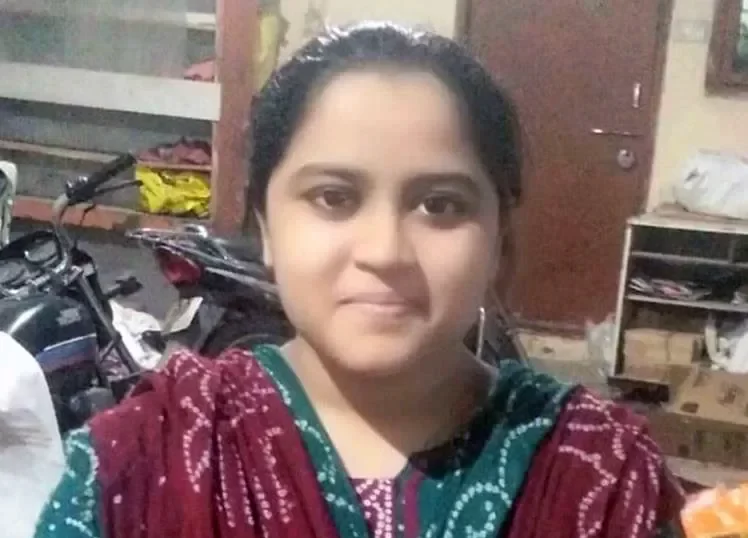
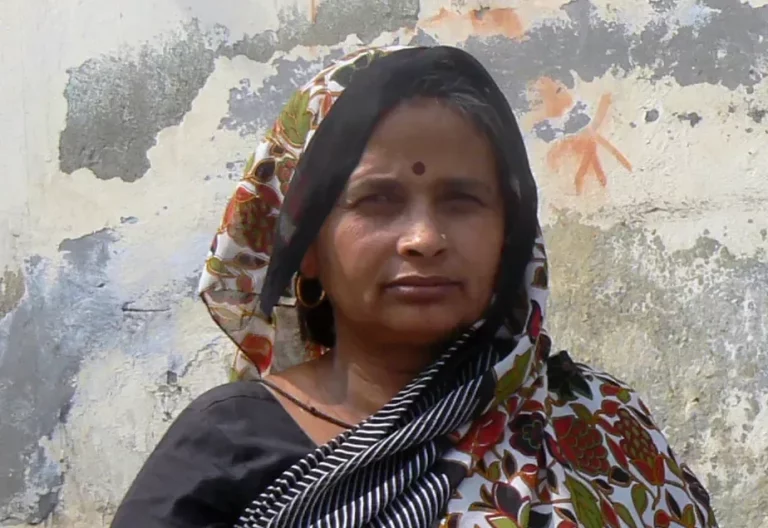
Kishwa:

The importance of integrated care for people managing both TB and diabetes.

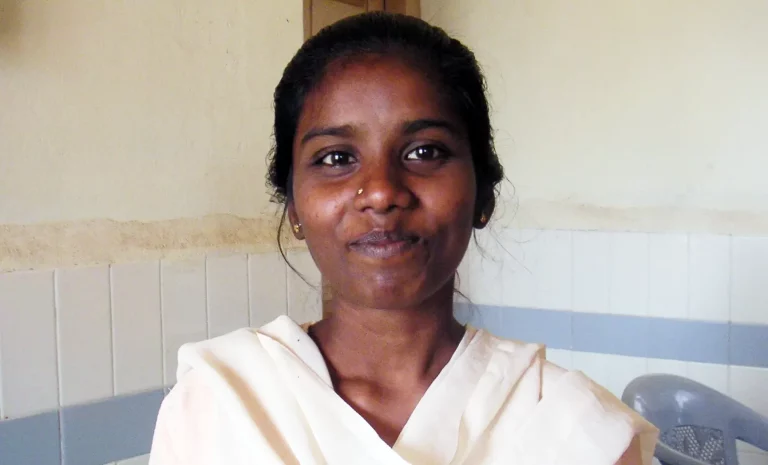
Kishwa arrived at a DIVINE project diagnostic centre in Delhi with both TB and uncontrolled diabetes. Our integrated approach ensured she received a new diet and adjustments to her diabetes medication alongside her TB treatment, aiding her recovery and longterm health.
Now I am feeling healthier than before.

Kishwa

TB and children

Childhood TB is often neglected and underestimated due to diagnostic difficulties and the perception that children pose less infection risk to others.
the impact is devastating:

In 2023, an estimated 1.3 million children fell ill, and nearly 200,000 died from TB

Children are also more vulnerable to severe forms of TB, such as TB meningitis, leading to long-term disability. The youngest and weakest children, especially those with HIV, malnutrition, or other infections, are at higher risk.

Overcrowded living conditions increase the risk of infection, often from close relatives.

TB can also trap families in a cycle of poverty, as illness can lead to loss of income and children missing school to provide care or earn money.

The existing tools for childhood TB are inadequate:

BCG vaccination:

Offers some protection against severe forms in young children but is not 100% effective, universally available, or suitable for children with HIV.

Diagnosis:

Sputum testing is often ineffective for children due to difficulties in producing samples and lower bacterial counts.

Treatment:

TB treatment is long and involves multiple medications with side effects. While child-friendly formulations exist, they are not universally available, forcing children to take bitter, crushed adult pills, risking drug refusal and resistance.

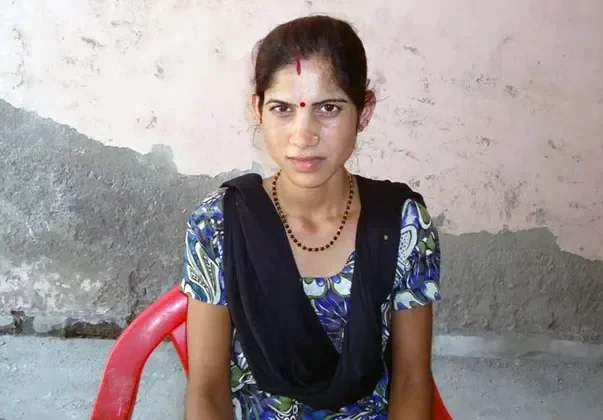
Pooja:

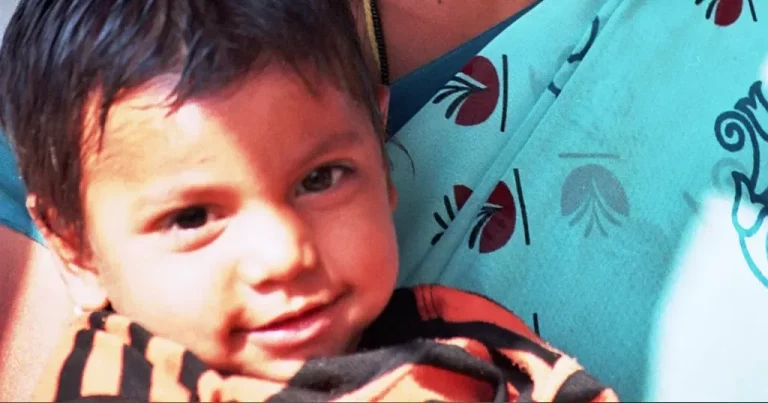
At just 18 months old, Pooja was battling TB meningitis.

Pooja was just 18 months old when she fell ill with TB meningitis, a fatal form of TB more common in childhood. Even with treatment, delays can lead to deafness, blindness, or paralysis.

Yet the nearest hospital was distant and unaffordable. Fortunately, Pooja was referred to a DIVINE treatment centre, strategically located in the poor areas of Delhi most affected by TB.

Mahima:

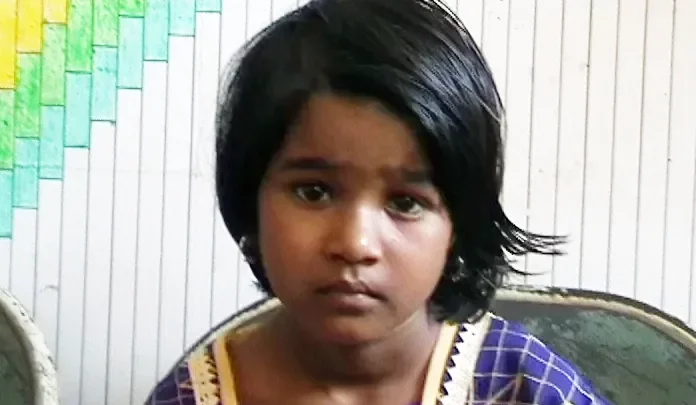
At just eight years old, Mahima makes and incredible recovery from multi-drug-resistant TB (MDR-TB).

When eight-year-old Mahima arrived at the clinic her condition was critical; she weighed just 17kg and was coughing up blood.

Thanks to directly observed treatment through our clinic she gained 8kg in the first three months of treatment and is now free from TB and reclaiming her childhood.

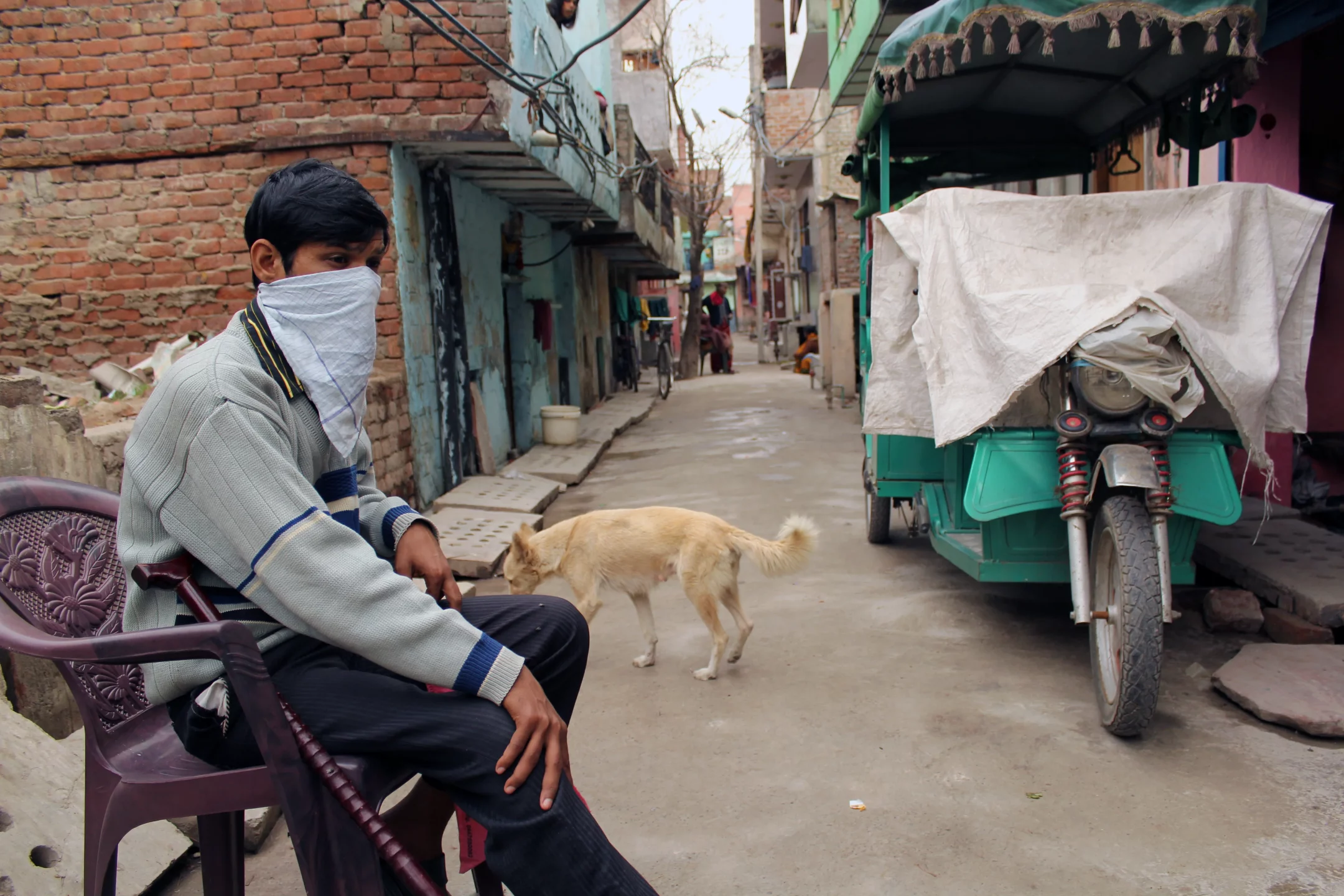
Swami and Vennela:

TB-HIV orphans fight back.

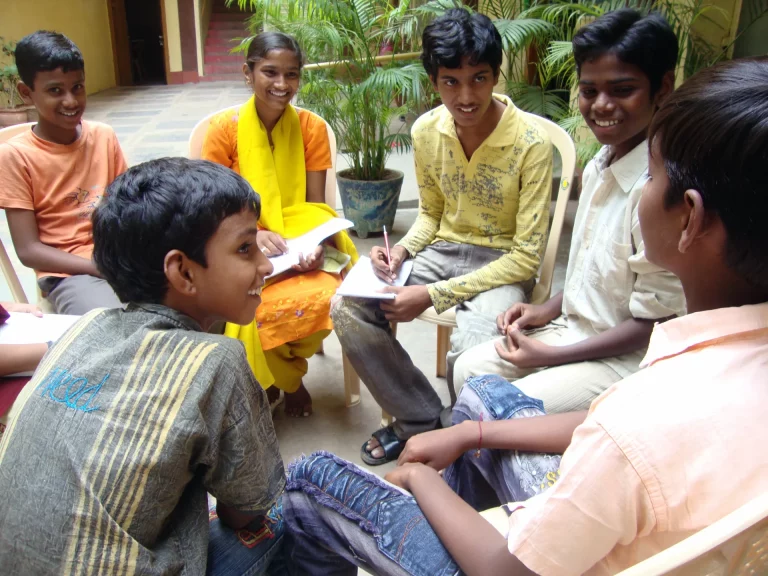
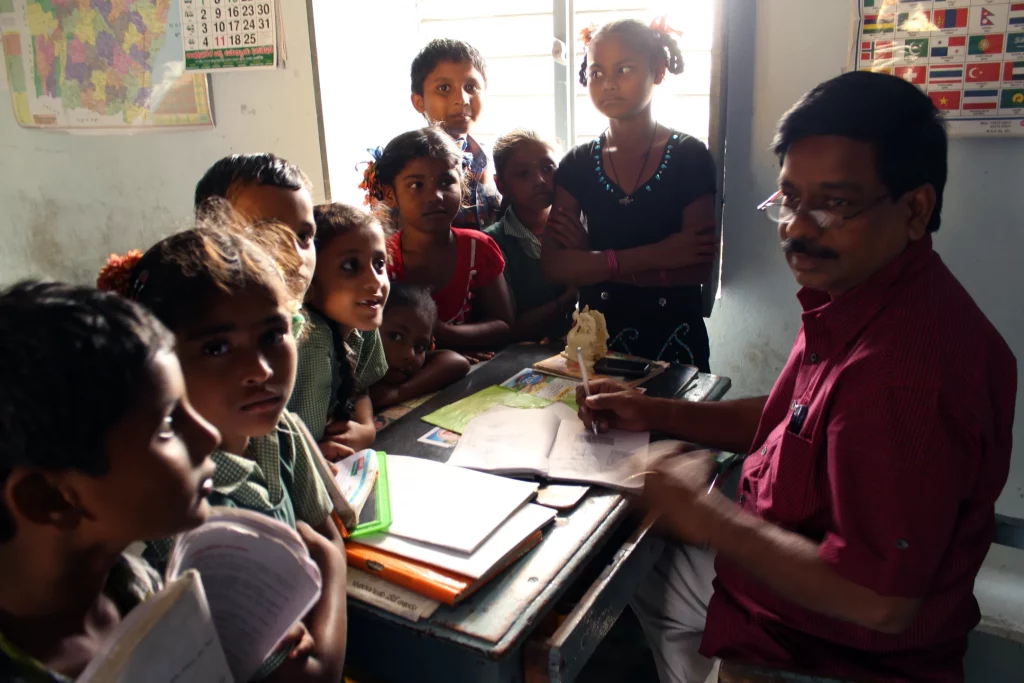
After losing their parents to TB and HIV, Swami and Vennela moved in with their uncle, a rickshaw driver. Soon, they too began to experience TB symptoms. Thanks to TB Alert’s work facilitating health support groups in schools, their story took a different path.

TB and HIV

Often called a dual epidemic, TB and HIV form a lethal combination, each accelerating the other's progression.
In 2023:

750,000 people living with HIV (PLHIV) developed TB, with one in four HIV-related deaths directly resulting from TB.

HIV weakens the immune system, making PLHIV about 30 times more likely to develop TB, which in turn accelerates AIDS progression. Diagnosing and treating TB in PLHIV is complex due to lower bacterial concentrations in sputum, the prevalence of extra-pulmonary TB, and potential drug interactions with antiretroviral therapy (ART).

A coordinated approach involving intensified case-finding, preventive therapy, infection control, routine testing, and integrated health services is crucial.

When Vennela started coughing and losing weight, we knew she had to go to a doctor quickly.

TB and housing

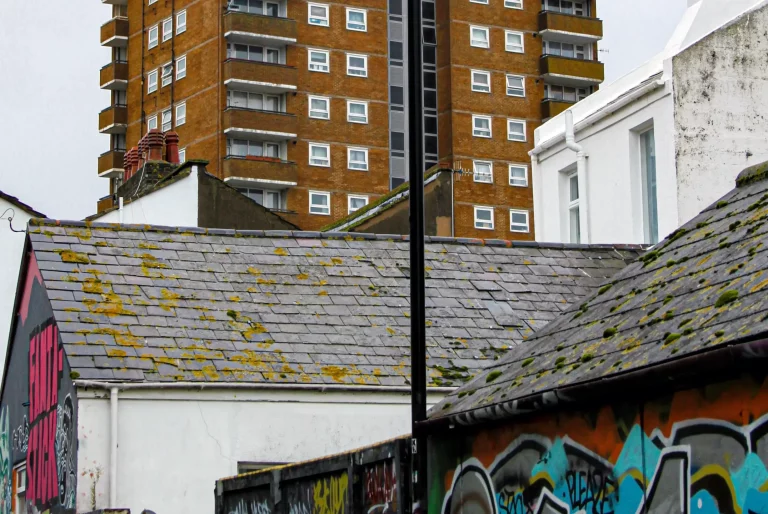
Inadequate housing and homelessness are major drivers of TB transmission globally and in the UK.

Overcrowding, damp, dark, and poorly ventilated environments increase the risk of TB spread. Homeless individuals face higher risks of infection due to increased exposure and weakened immune systems from rough sleeping, poor nutrition, and substance misuse.

TB and housing:

Barriers to diagnosis and treatment include:

delayed help-seeking

difficulties accessing healthcare due to unstable living situations and chaotic lifestyles

Bala:

Reclaiming life after losing a son.

Bala was overwhelmed by sorrow at losing her son to an unknown illness and her health was deteriorating. A year after her son’s death, Bala was fortunate to receive a TB diagnosis at a TB Alert India clinic. She learnt how easily TB spreads in a family home – finally receiving the answers she longed for over her lost son – and her remaining children were also tested for TB.

Today, Bala’s life is back on track, and she proudly shares the achievements of her daughter, a schoolteacher and son, who works as a tailor.

TB and poverty

TB is often called a disease of poverty.
TB and poverty:

TB thrives in deprived communities – where people are likely to live and work in overcrowded conditions, suffer from malnutrition, and have limited access to healthcare.

TB disproportionately affects the poorest and most marginalised groups, including migrant communities, people with substance misuse or mental health issues, and those experiencing homelessness.

TB can lead to loss of productivity, associated costs, and stigma, trapping families and communities in a cycle of poverty.

Nannelal Raja Ram:

Nourishing hope for an entire family.

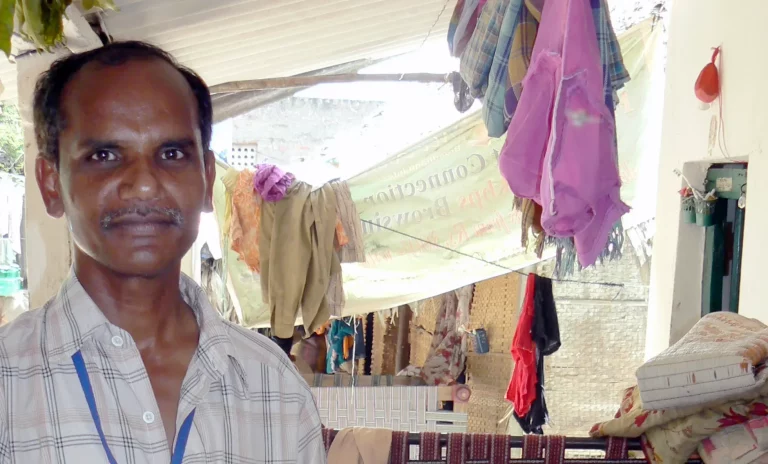
When Labourer Nannelal Raja Ram received a TB diagnosis, he worried how he would feed his four children.

Thanks to TB Alert’s nutritional supplements – 5kg of rice, 10kg of multigrains, chickpeas, and groundnuts – Nannelal’s progress was remarkable, helping him “focus on looking after our children”.

Aisha and Susheela:

TB treatment support help a mother and daughter break free from the cycle of poverty.

Vital supplements of rice, dhal, oil, and eggs, provided by TB Alert, helped Susheela regain her health and, prevented her daughter Aisha from also falling ill with TB.

TB Alert’s intervention has made Susheela healthier and more able to do well in school.

TB and substance misuse

Drug and alcohol misuse significantly increases TB risk and complicates treatment.

Substance misuse weakens the immune system allowing TB to take hold.

TB and substance misuse:

Barriers to treatment include:

delayed diagnosis

reluctance to seek healthcare

inconsistent treatment adherence (increasing drug-resistant TB risk)

liver toxicity concerns with TB medications

Josie:

From the streets to a second chance.

Josie was homeless and struggling with heavy drinking – her frequent collapses were blamed on her lifestyle – until she was finally diagnosed with TB and put in touch with TB Alert’s support. Josie’s transformation was remarkable: she conquered TB and turned her life around – she is now a trained counsellor and TB advocate.

TB in women

Persistent gender inequalities exacerbate the impact of TB on women.
TB and women:

Barriers to care include:

lower literacy and language difficulties

delaying treatment due to caregiver roles

reluctance to use scarce family resources for their own health

The risk of TB is also greater during pregnancy and a significant majority of new HIV infections globally occur in women, increasing their vulnerability to TB.

Yet stigma and confidentiality concerns deter women from seeking care.

Natalie:

Pregnant and in pain – a time of joy lost to misdiagnosis.

Our The Truth About TB campaign aims to raise professional awareness of TB to help people like Natalie, whose kidney pains were dismissed as ‘pregnancy-related’ through two pregnancies. Until one day, with two young children to care for, she could hardly walk…

Leela:

Abandoned and in despair fighting stigma and drug-resistance.

When Leela was diagnosed with TB her husband abandoned her for “bringing TB and shame on the household” until TB Alert’s project workers stepped in with crucial TB information and support.

Barriers to access

Approximately 3 million of the 10.8 million people who develop TB each year do not receive a diagnosis or effective treatment.

Many delay seeking help until the illness is advanced, increasing the risk of transmission. Barriers to care include stigma, financial costs, lack of awareness and health literacy, marginalisation, and mistrust of formal health services, leading some to consult traditional healers or private practitioners that themselves lack TB knowledge.

Reena and Samson:

Trusted health services provide accurate diagnosis.

Reena and Samson’s TB journeys took different routes on a similar, challenging path. Reena had been taking ineffective medication from an unqualified traditional healer for her TB symptoms.

Whilst Samson’s TB was only detected during a chest X-ray for his USA visa application. Fortunately, they finally converged on the correct diagnosis and treatment at a TB Alert centre.

Weak health systems

Structural barriers within health systems hinder effective TB care.

These include financial constraints, professional shortages, poor infrastructure, inequality in service provision, and shortages of drugs and diagnostics.

Limited community participation also impacts effective service delivery.

Sumayya:

Costly lost opportunities.

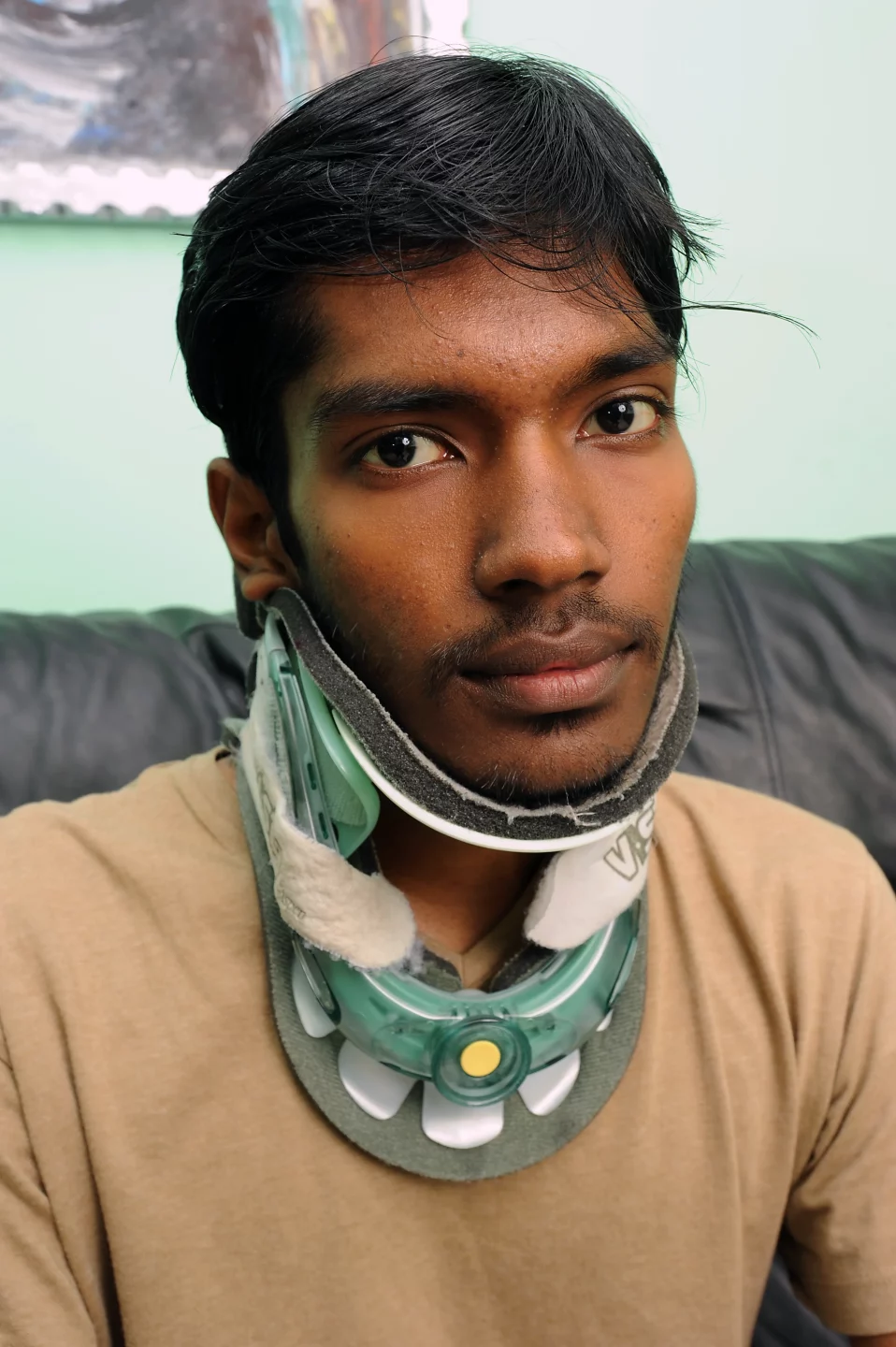
Sumayya’s family could ill afford the money spent looking for answers for her back pain from an unqualified barefoot doctor, or the thousands of Rupees for spinal surgery suggested by a private hospital.

In despair, she was eventually diagnosed with spinal TB and found a network of free TB treatment and care thanks to TB Alert.

Stigma and myths

TB carries a profound social burden, leading to discrimination and isolation.

Stigma is rooted in historical perceptions, cultural beliefs (such as witchcraft or curses), and associations with marginalised groups like those living with HIV/AIDS or experiencing substance misuse, or homelessness.

Women often face gender-specific discrimination, being unfairly blamed for infection.

The impact of stigma includes delayed help-seeking, perpetuation of myths, reluctance to adhere to treatment (leading to drug resistance), and emotional burdens like anxiety and depression.

Kiran:

TB survivors show TB is not to be feared.

Kiran initially refused TB treatment due to fear of the stigma it attracts. Her life was saved when she was introduced to TB survivors through a TB Alert project.

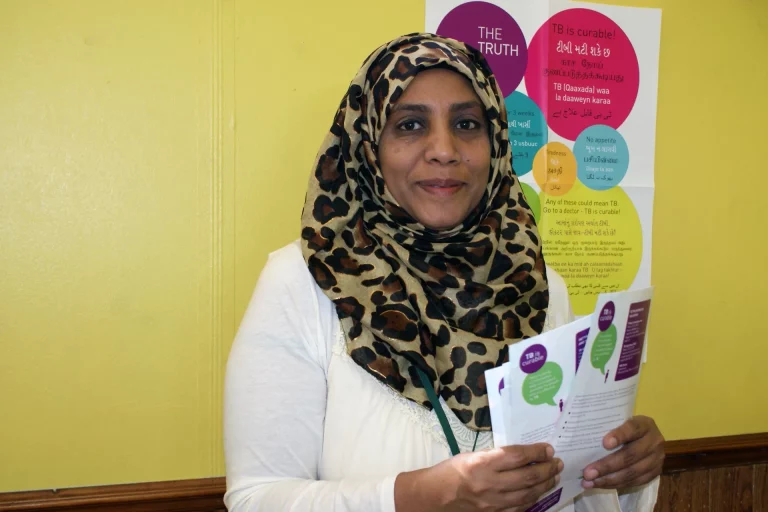
Sabine:

a true buddy to TB affected people and communities.

Sabine is a TB health buddy in Redbridge, trained by TB Alert:

A key challenge is dispelling misconceptions, as people believe TB can be caught through spitting or sharing cutlery.

I find it very rewarding to think that, because of the work I’ve done, someone may go along to their GP and get tested for TB, possibly saving their life.

Sabine

Roshan:

Advanced testing stops drug-resistance in its tracks.

For patients like Roshan, whose TB did not show up under sputum microscopy despite chest X-ray signs of lung damage, the DIVINE project’s access to advanced tests is crucial.

These tests found TB DNA in Roshan’s sputum with genetic hallmarks of drug-resistance, allowing for immediate, tailored treatment.

Vaccines, drugs and diagnostics

While progress has been made, significant gaps remain in TB prevention, diagnosis, and treatment tools.
Vaccines:

The century-old BCG vaccine is the only licensed TB vaccine, effective against severe forms in children but with limited and variable effectiveness against pulmonary TB in adolescents and adults.

New, more effective vaccines are crucial.
Diagnostics:

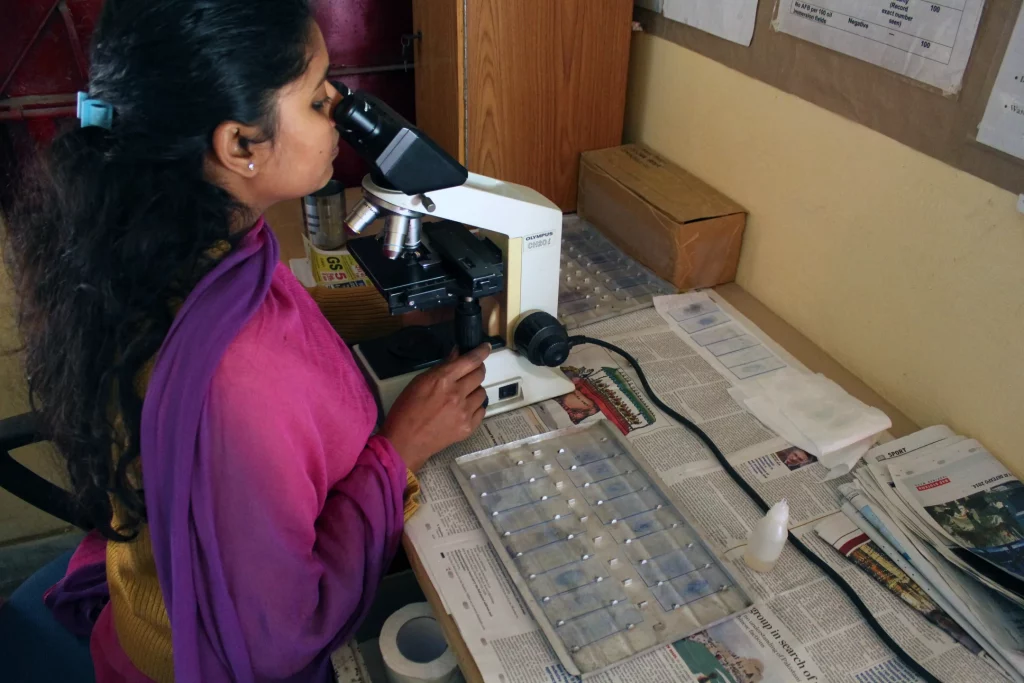
Traditional microscopy is widely used but has limited sensitivity and cannot identify drug resistance. Culture-based tests are definitive but slow and resource-intensive. Rapid molecular tests have transformed diagnosis by providing quick results and detecting rifampicin resistance.

However, an ideal, universal diagnostic test is still needed.
Drugs:

Standard treatment for drug-sensitive TB has been a six-month course. New shorter, all-oral regimens are now recommended by WHO, though national guidelines vary. Significant advancements have been made in treating drug-resistant TB (DR-TB) with newer, shorter, and orally delivered regimens, replacing older, more toxic tablets and injectables.

Sustained investment in research and development is vital.

Side effects

Managing side effects from TB medications is crucial for treatment completion and preventing drug resistance.

Side effects range from mild to severe and can be challenging, especially for those with pre-existing conditions or co-morbidities like HIV.

Side effects are a key barrier to adherence, leading to inconsistent or incomplete treatment, which increases the risk of recurrence and drug resistance.

It’s quite aggressive treatment, though, and I was really poorly with it. I assume most people have the same sort of treatment. The Isoniazid (a TB antibiotic) made me feel worse than my TB symptoms.

Samara

I found it really hard taking my medication… I didn’t like the side effects. I felt sick and got heart burn and a rash all over my face. And I had this horrible smell that I couldn’t get rid of…

A few times I would think ‘today I won’t bother to take them’ but then I would look at my kids and think, ‘no, I’ve got to’…

Natalie

Khushi:

Going door-to-door to combat drug-resistance and bring hope to those affected by TB.

A door-to-door visit by a TB Alert India health visitor was crucial in finding 12-year-old Khushi, who had suffered for a month with overlooked TB symptoms: fever, weight loss, and a persistent cough.

Tests revealed she had multi-drug resistant (MDR) TB. By significantly reducing delays in diagnosis and treatment, the project successfully prevented her family members from also falling ill with TB.

Drug resistance

Drug-resistant TB (DR-TB), particularly multidrug-resistant TB (MDR-TB) and extensively drug-resistant TB (XDR-TB), is a major global health threat.

It primarily develops when TB treatment is incorrect or incomplete, allowing bacteria to evolve resistance. This can be due to challenging treatment regimens, fear of stigma, financial burdens, or inadequate health systems.

Treating DR-TB remains harder, longer, and more expensive, with lower cure rates, and access to newer drugs and tests is limited in many low and middle-income countries.

Drug resistance:

A multi-pronged approach is needed, including rapid access to modern diagnostics, shorter and safer treatments, reliable drug supplies, patient-centred care, infection control, surveillance, and sustained research and development.